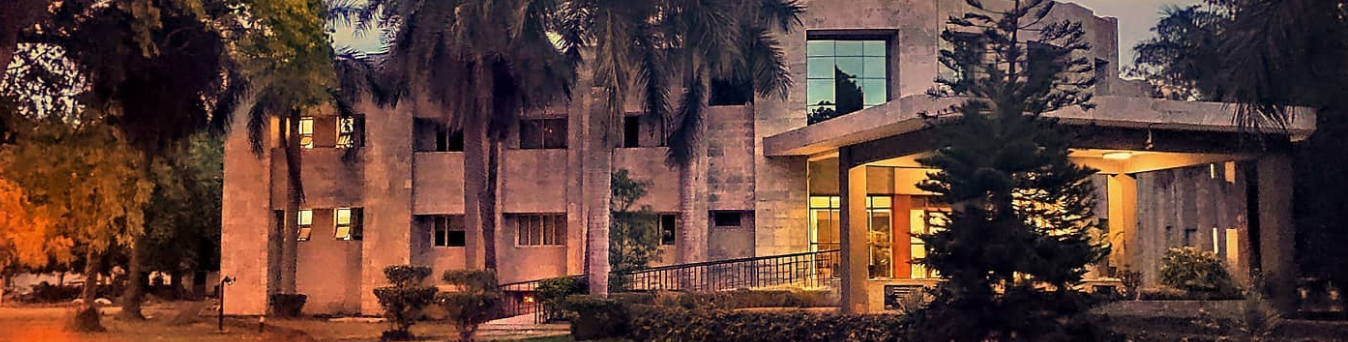
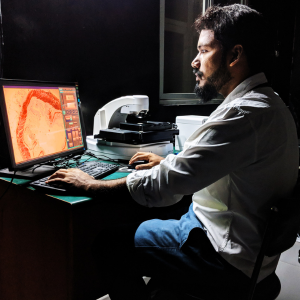
CMC Vellore is engaged in cutting edge research into the causes and treatment of diseases, and collaborates with hospitals and universities throughout the world. It is one of the leading contributors of medical research articles in India. There are numerous research programmes funded by national and international agencies as well as through internal resources.
CMC has contributed to bringing vaccines from research to real-world use through clinical trials and public health research. The key contributions include
It is the home of a Centre for Stem Cell Research, funded as a centre of excellence by the Indian government, the Prof. Bhooshanam V. Moses Centre for Research and Training in Evidence-Informed Healthcare and Health Policy; the Wellcome Trust Research Laboratory and the Infectious Diseases Training and Research Centre.
CMC hosts many conferences and workshops and runs regular courses in research methodology, epidemiology, biostatistics and several other topics. Several CMC departments are recognised by the ICMR (Indian Council for Medical Research) as centres of excellence for research. For example, Hepatology (liver diseases) and Haematology (for thalessemia).
In 2014, CMC was recognised as a Centre of Excellence for Translational Research by the Department of Biotechnology (DBT). CMC is a Centre of Excellence with a collegium of five institutions for clinical research excellence. In 2017, the Clinical Epidemiology Unit was accepted as an external site for the NIH Clinical Trials Course.
In June 2024, a new research office was inaugurated on the Chittoor campus. The space houses eight research staff working on key community health projects.
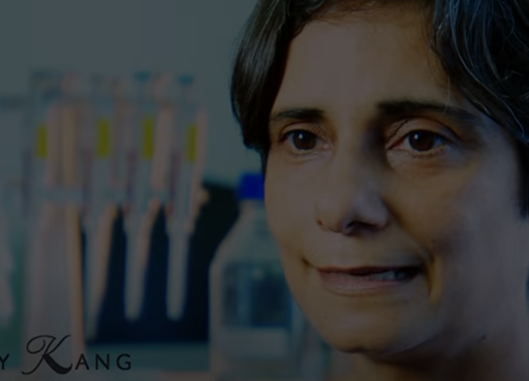

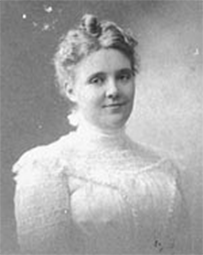
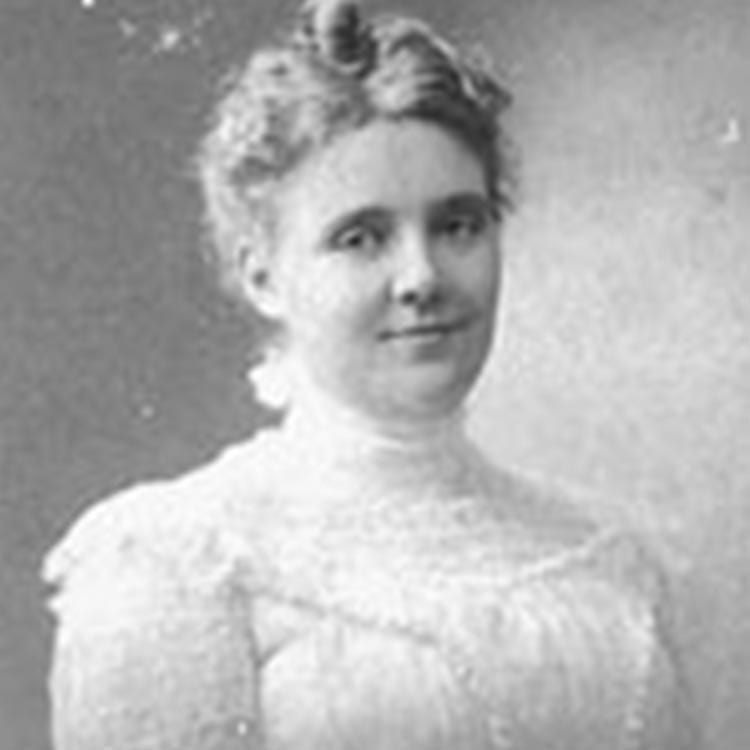
Dr. Ida Scudder, the founder of CMC Vellore, was our first STEM woman, and she inspired hundreds of women to choose a life in science. Right from the beginning, Dr. Scudder knew she needed to train women to help women, because medical help from male doctors, especially during labour and childbirth, could not be accepted owing to social taboos.
Initially she trained compounders. Formal nurse training began in 1909 and in 1918, she proudly opened the Missionary Medical School for Women, which offered the LMP (Licensed Medical Practitioner) course. In 1942 this was upgraded to a full MBBS degree course, and men were admitted from 1947 onwards.
The Nursing School became the first College of Nursing in India in 1946, and is now a WHO collaborating centre for Nursing & Midwifery. The medical college is consistently ranked among the top colleges in the country.
#womeninscience
Pursuit of research for cost-effective
solutions for the health
needs of India